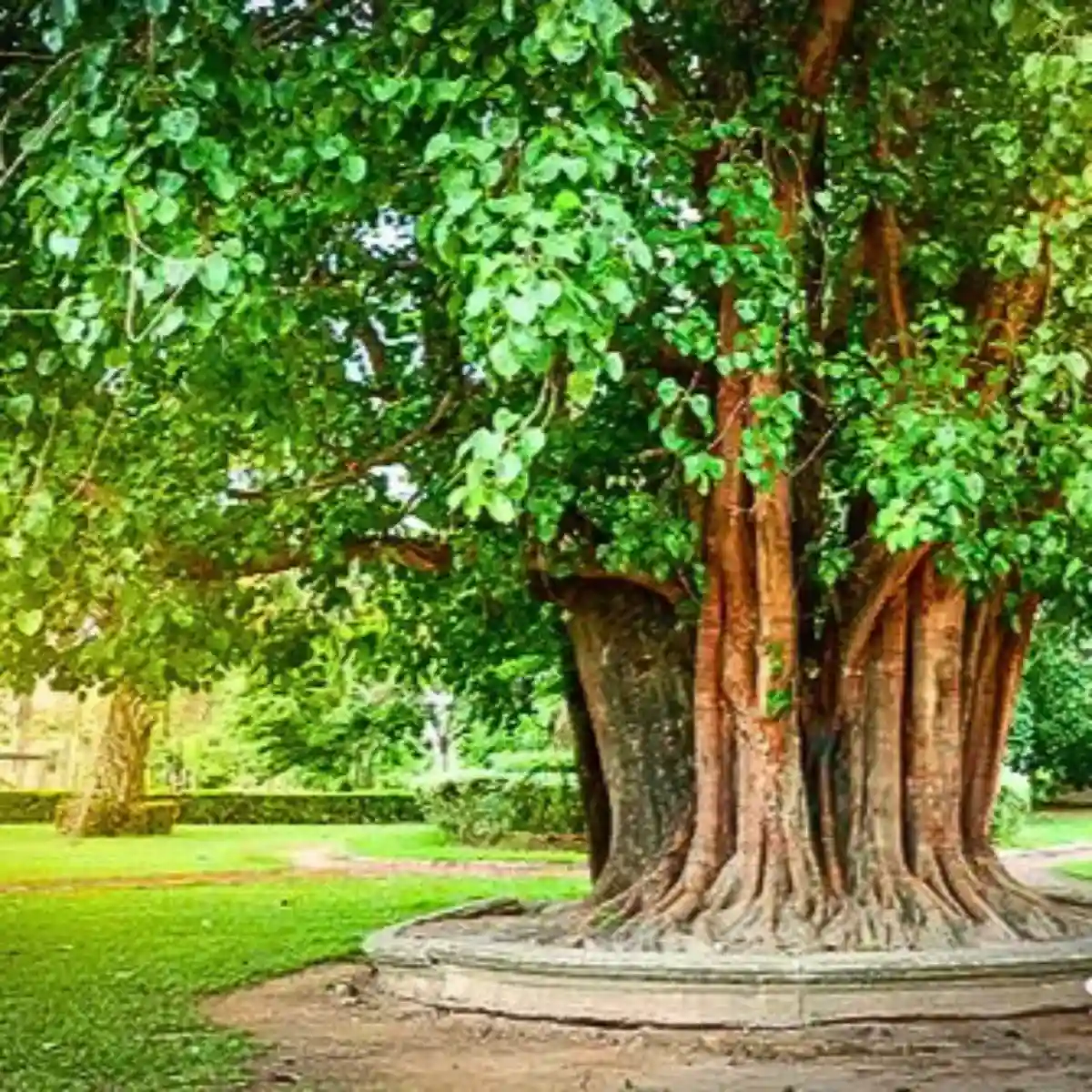
Peepal Tree
In Hinduism and Vedic astrology, certain sacred trees are regarded as highly blesses and are believed to possess divine significance. Ritual worship of these trees is said to help alleviate various astrological afflictions while also offering relief from life’s challenges. Devotees believe such practices invite the blessings of deities, bringing happiness, peace, good health, wealth and prosperity. Here is a closer look at the spiritual benefits associated with the worship of these revered trees.
Tulsi (Holy Basil)
Tulsi is considered a manifestation of Goddess Lakshmi. It is believed that households where the plant is worshipped daily are never deprived of prosperity. Regular prayer is said to foster peace, positivity, and harmony among family members, while also promoting mental well-being.
Peepal (Sacred Fig)
The Peepal tree holds immense religious importance. Worshipping it is believed to mitigate the adverse effects of Shani (Saturn) and attract the blessings of Lord Vishnu. Devotees often sit beneath the tree for prayer, seeking stability, patience and spiritual growth. Saturdays are considered especially auspicious for its worship.
Neem
Neem is revered for both its spiritual and medicinal properties. Worship of the tree is believed to eliminate astrological obstacles and protect against diseases. Its leaves and bark are widely used in traditional remedies. Devotees believe it dispels negative energies and enhances positivity within the home.
Banyan (Vat Tree)
The Banyan tree is considered sacred, particularly among married women, who worship it for marital bliss and longevity of their spouses. It is also believed to resolve issues related to progeny. The tree symbolises stability and strength, fostering unity within families.
Amla (Indian Gooseberry)
Worship of the Amla tree is associated with the blessings of Goddess Lakshmi. It is believed to ensure financial stability and success in various pursuits. The fruit is also valued for its health benefits, making the tree significant both spiritually and nutritionally.
Bilva (Bael Tree)
The leaves and fruit of the Bilva tree are offered to Lord Shiva. Devotees believe that its worship enhances career prospects, including promotion, and provides protection from untimely death. It is especially revered among followers of Shiva.
Ashoka
The Ashoka tree is associated with relief from sorrow and illness. Worship of this tree is believed to bring happiness and prosperity to family life, while also fulfilling specific wishes. Its lush greenery is said to create a positive and calming environment.
Banana Tree
For those facing astrological issues related to Jupiter (Guru), worship of the banana tree is considered highly beneficial. It is believed to remove such dosha and improve marriage prospects, particularly for unmarried individuals. The tree symbolises fertility and abundance.
Shami
The Shami tree is associated with victory over enemies and success in legal matters. It holds special significance during Dussehra, when it is worshipped as a symbol of triumph and protection.
Red Sandalwood
Worship of the red sandalwood tree is believed to alleviate issues related to the Sun (Surya). Devotees associate it with improved career prospects, including promotions, as well as enhanced confidence and leadership qualities.
Devotees believe that worshipping these sacred trees not only helps in overcoming astrological challenges but also strengthens one’s connection with nature. Regular and sincere rituals are said to bring positive changes in life, improve health and maintain harmony within families.
These traditions also serve as a reminder of the importance of preserving nature. Protecting and revering these trees is seen not only as a religious duty but also as an environmental responsibility.
About the Author