Silent loom in Bhagalpur
By Avijit Biswas
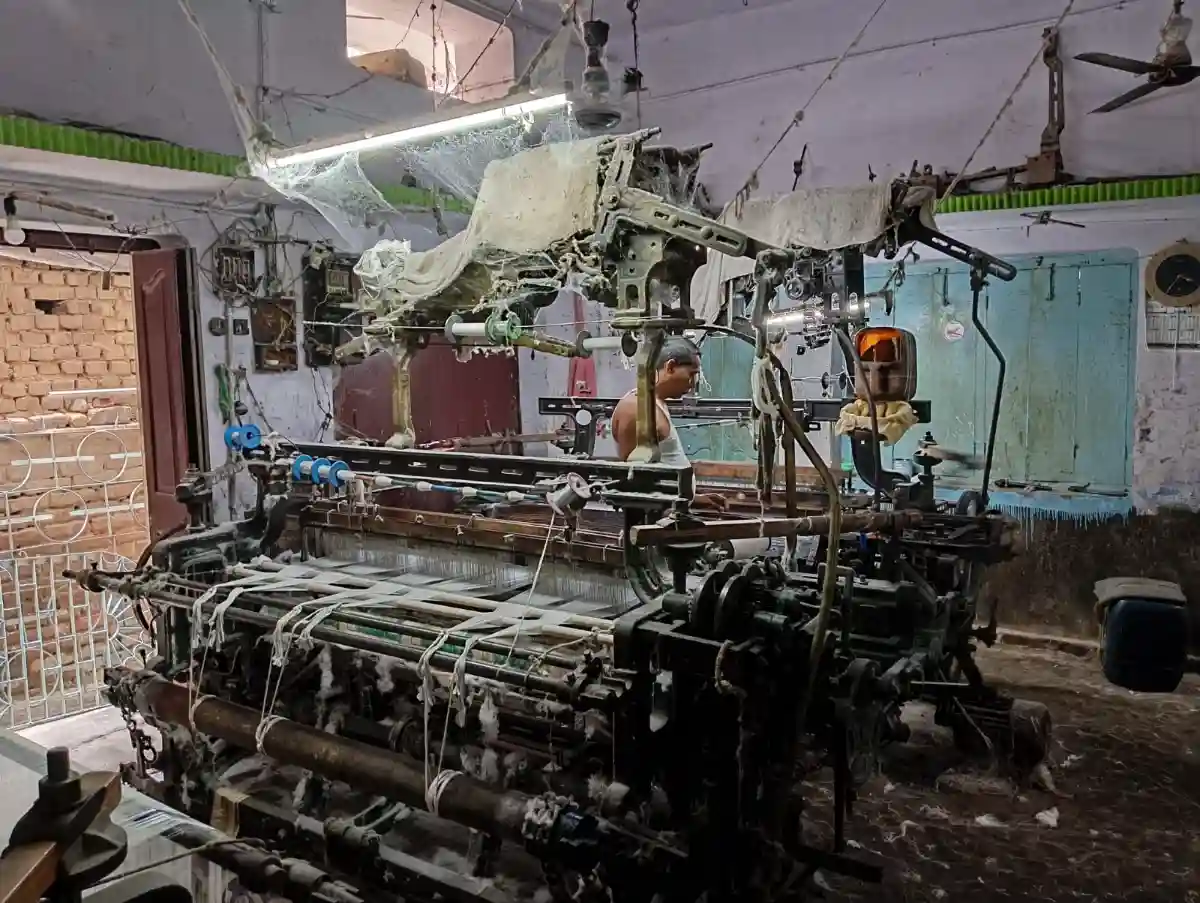
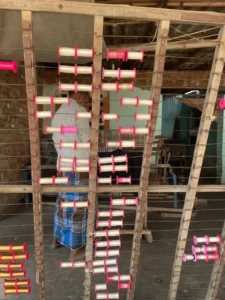
Bhagalpur: It is now more than a month the usual clacking noise of looms in silk hub of city comprised by Nathnagar and Champanagar localities in Bhagalpur has decreased considerably. With many looms in both the areas lying idle due to low demand of local silk industry products, the decibel of clacking noise has considerably decreased of late.
The oversees demand of different products of silk industry here particularly from gulf countries have dropped sharply since start of middle east conflict besides sluggish domestic market demand has led to production slowdown in local industry.
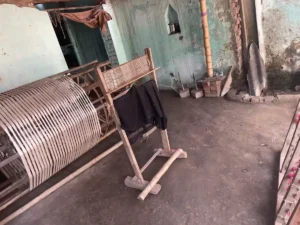
Taking together Nathanagar and Champanagar localities beside adjoining rural areas there are roughly ten thousand power looms and six thousand handlooms on which production of silk, linen and cotton fabrics are undertaken said Obaidullah Ansari, a silk producer of Nathnagar area.
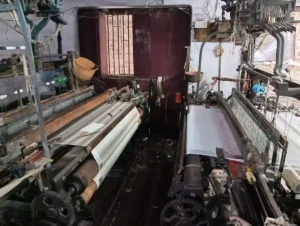
He informed of the total looms approximately sixty percent are lying idle at present due to negligible oversees order and low domestic market demand. Citing his case, Obaidullah said on an average he receives monthly supply order of Rs five lakh and more in normal time. However, since war started in middle east, the volume of supply order dropped to less than Rs one lakh forcing him to reduce his operational capacity, he added.
Obaidullah informed due to low supply order, out of his ten looms only two are functional at present. He further informed since start of middle east problem per kilogram price of different kind of yarns have registered increase between Rs 20 to Rs 30 resulting in high production cost of fabrics.
The specific reasons for low domestic market demand since start of middle east conflict remains unknown, Obaidullah said informing supply orders for industry products usually received from Kolkata and other metropolitan cities has reduced considerably of late.
He added present situation in particular has badly hit bottom layer of the industry constituted by small and marginal weavers. As per industry insiders more than thirty thousand power loom weavers and twenty thousand handloom weavers constitute bottom layer of local silk industry.
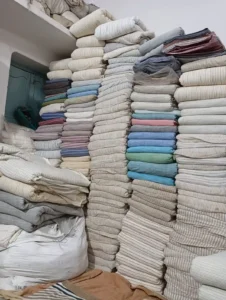
The production slowdown in industry has created livelihood problems for members of bottom layer who are mostly daily wage earners, insiders said. As per industry members the middle east war has reduced oversees supply demand of almost all types local industry products including fabrics and furnishing items.
The silk industry here has diversified in recent years, presently production of items made of linen and cotton apart from silk is undertaken. However, facing steep competition from some other silk producing centers of country offering similar products at more competitive price, for local industry diversification is yet to yield desired benefits, industry members are of opinion in many cases.
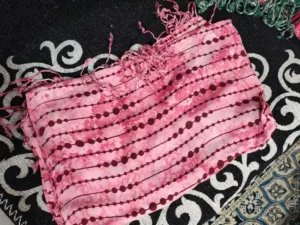
Already experiencing slump for quite long time the middle east problem has proved to be major financial blow, industry members said. To substantiate their point the financial health of the industry was already fragile even before war started in middle east, some industry members cited case of dupatta and head scurf previously produced here in large scale.
In both domestic and foreign markets there used to be high demand for local dupattas and head scurf earlier. Production of dupattas and head scurf used to contribute substantially in annual gross turnover of industry, they said.
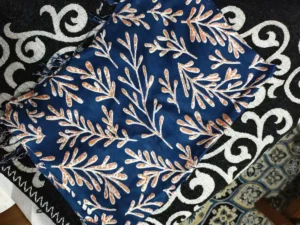
As per industry insiders market demand of both products started witnessing downslide since designed dupattas and head scurf produced at other places particularly at Barabanki in Uttar Pradesh hit the market with a competitive price tag.
Production of cotton, linen and silk dupattas beside head scurf taken together contributed approximately Rs 250- Rs 300 crore in total annual turnover of silk industry here, as per industry members. Alim Ansari, a long- time industry player said prior to start of middle east conflict the annual turnover of industry was between Rs 800 to Rs 950 crores as per a rough estimate.
Absence of facilities at local level for design diversification and ensuring colour fastness were stated by him as primary reasons behind failure of local products in having competitive market edge both in terms of price and design.
Ansari said to match design diversity beside colour fastness of dupattas and head scurf produced at other places, the silk producers here incur higher production cost resulting in their failure to offer competitive price for their products.
He said though industry here is one of oldest silk producing centers of country however desired upgradation of industry is still awaited. The credit of whatever design changes have been made in local products including saris, fabrics, dupattas, head scurf and furnishing items goes to local weavers gifted with inherent skill, Ansari added.
With no signs of early end of prevailing uncertain market situation, the silk industry members here were hopeful upbeat domestic market during current marriage season would help them overcome the present crisis. However, contrary to their expectations domestic market demand continues to remain sluggish though peak marriage season has already stated, some industry members said.
Md. Taslim, a marginal handloom weaver of Nathnagar locality, who is primarily dependent for livelihood on weaving order he receives from local silk suppliers said the weaving orders have almost dried since last month. Informing sustaining his family consisting five members is proving really difficult for him he added the current situation remaining unchanged for long could make things worse for him.
About the Author
Avijit Biswas is a former reporter with the Hindustan Times, Patna Edition, based in Bhagalpur. He has more than 25 years of experience covering politics and other key beats across eastern Bihar. Known for his in-depth ground reporting and strong grasp of regional issues, Biswas has closely followed political developments and social trends in the region, earning credibility for accurate and balanced journalism. Avijt may be contacted at biswasavijit@yahoo.com
About the Author