Three Lives, One Second Chance: Advanced Heart Pumps Bridge Three Teenagers to Successful Heart Transplants at Narayana Health
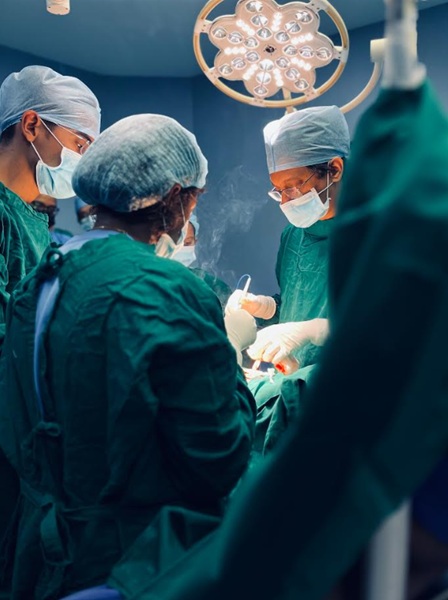
Bengaluru, Karnataka, India: In a series of extraordinary medical recoveries, three teenagers facing certain death from end-stage heart failure have been given a second chance at life, thanks to the successful use of artificial heart pumps. The clinical team at Narayana Health used these advanced artificial heart pumps known as Ventricular Assist Devices (VADs) to keep the young patients alive until life-saving donor hearts could be found.
All three teenagers, who arrived separately at the hospital in extremely critical condition, have now returned home to their families following successful heart transplants.
Bridging the Gap to Survival
When the teen patients were admitted, their hearts were too weak to sustain life. To buy them precious time, doctors implanted mechanical pumps that took over the work of their failing hearts. These devices acted as a bridging support, stabilising their hearts and keeping the young patients alive while they were placed at the top of a priority list for transplantation.
In a region where donor organs are often scarce and waiting lists can be long, suitable matches were remarkably found for all three patients within 28 to 45 days.
Three Inspiring Stories of Recovery
The three cases highlight the complexity and success of the hospital’s paediatric heart programme:
- Case 1: A teenager suffering from severe heart dysfunction and dangerous blood clots was supported by a machine that assisted both sides of his heart (a BiVAD). After 45 days on the device, he received a transplant and was discharged from hospital in just a few weeks.
- Case 2: Diagnosed with a condition where the heart becomes stretched and weak, this teenager was kept alive by a mechanical pump for 28 days before a successful transplant was performed.
- Case 3: A childhood cancer survivor who had previously lost a kidney to a tumour, faced a new battle with heart failure. Supported by an artificial pump for 30 days, he successfully underwent a transplant, marking a triumphant recovery against all odds.
A New Era for Specialist Care in India
This medical milestone for the hospital represents a significant shift in the availability of advanced medical treatment in India. Previously, these complex therapies were only accessible at a handful of specialised centres worldwide.
“These young patients were at the very edge of survival. Using artificial pumps to keep them alive until a donor heart became available, was a landmark moment for heart failure care in the country,” said Dr. Shashiraj Subramanya H S, Head of Paediatric Cardiology, Narayana Health.
“Over the last decade, we have worked to make these advanced technologies a reality for families who previously had no options. Today, these life-saving treatments are achievable in India through better systems and a focus on making healthcare affordable,” said Dr. Varun Shetty, Senior Consultant – Cardiac Surgery, Narayana Health.
“When these patients first arrived, survival looked nearly impossible. VADs acted as lifesaving bridges, keeping them alive until donor hearts arrived. Seeing them return home smiling with their families is one of the proudest moments for our entire team.” said Dr. Riyan Sukumar Shetty, Director of Paediatric Intensive Care, Narayana Health
About the Author