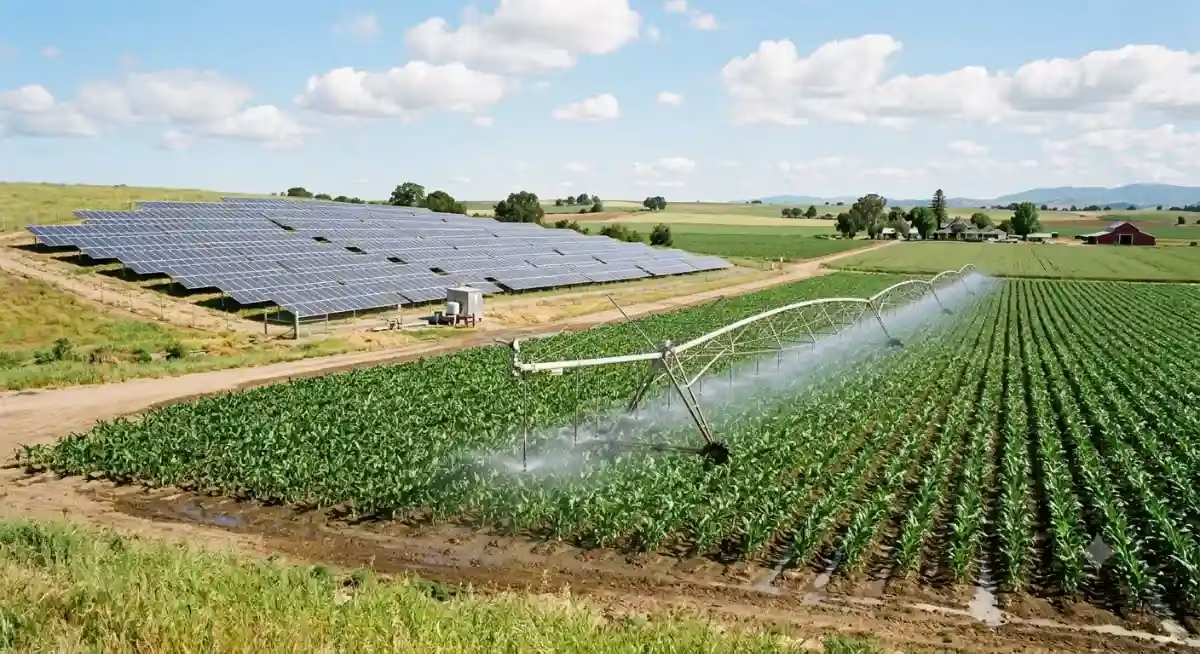
Irrigation through solar power in Bihar. AI image
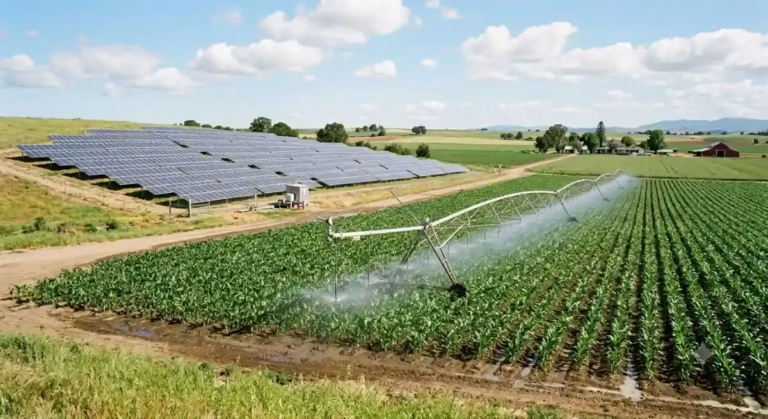
Patna: The Water Resources Department of Bihar has developed a new solar-powered irrigation system aimed at reducing farmers’ dependence on diesel pumps and expensive grid electricity. The model, named ASHA, connects renovated traditional water reservoirs with solar power systems to supply water to fields throughout the year.
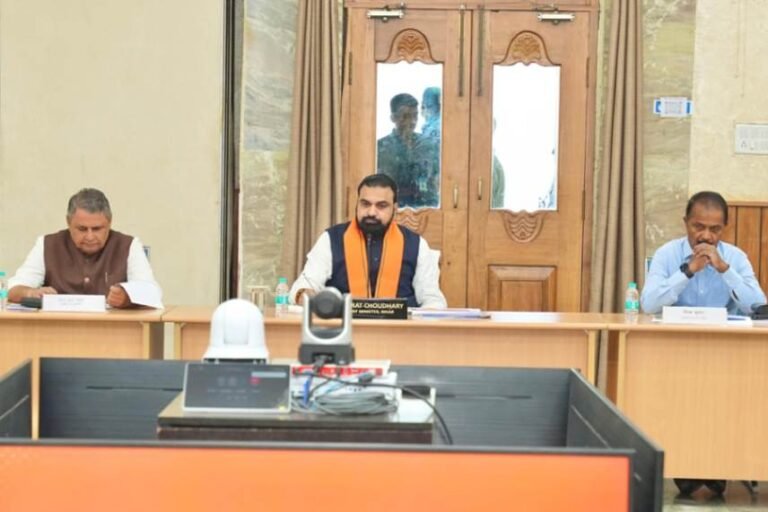
The first pilot project is being implemented in Paliganj block of Patna district. Deputy Chief Minister Vijay Kumar Chaudhary inaugurated the ASHA model scheme at Kalyanpur in Paliganj, alongside three other Water Resources Department projects across Patna, Arwal, Jahanabad, and Gaya districts.
The system works by storing water from canals or monsoon rains in traditional reservoirs known as ahar and pain. When rainfall stops or canal levels drop, solar-powered pumps draw the stored water and push it through pipelines to agricultural fields. This approach aims to decouple irrigation from monsoon uncertainty.
In the Paliganj pilot, a seven-acre ahar has been renovated, and a one-acre solar power plant is being installed nearby. A 1.2-kilometer channel is under construction to bring water from the canal, while 30 kilometers of pipelines are being laid to deliver water directly to fields. The entire system is targeted for completion by November.
Solar Power as an Income Source
The ASHA model also includes an additional income component. Excess electricity generated by the solar plant will be sold to the state power company. Farmers will receive a carbon credit score, which officials say could open avenues for additional international income.
The Water Resources Department expects the model to serve as a template for statewide expansion if the Paliganj pilot proves successful.
Diesel Subsidy Scheme Runs in Parallel
While the ASHA model represents a long-term shift toward solar irrigation, the Bihar government is simultaneously operating a diesel subsidy scheme for kharif crops. Farmers using diesel pump sets for irrigation can receive subsidies ranging from Rs 750 to Rs 2,250 per acre.
Under the scheme, diesel purchased for irrigating paddy nurseries and jute crops qualifies for up to Rs 1,500 per acre for a maximum of two irrigations. For kharif crops including paddy, maize, pulses, oilseeds, seasonal vegetables, and medicinal plants, the subsidy is up to Rs 2,250 per acre for a maximum of three irrigations.
The subsidy is capped at eight acres per farmer family and is available to a single member of the household. The application process opened on August 17 and will remain active until October 30, 2026.
Farmers applying for the subsidy must upload a rent receipt if they are landowning cultivators. For tenant farmers, verification is conducted by a ward member, ward councillor, mukhiya, sarpanch, or panchayat committee member, along with an agricultural coordinator.
Digital purchase receipts from authorized petrol pumps are mandatory, and the last ten digits of the farmer’s 13-digit registration number must be printed on the receipt. Thumb impressions on diesel receipts are also required. Diesel purchased from petrol pumps outside Bihar is not eligible for the subsidy.
Madhubani District Prioritizes Pending Applications
In Madhubani district, where deficient rainfall has affected more than a dozen blocks, the Agriculture Department has directed officials to clear pending diesel subsidy applications within seven days. The district has recorded 50 percent below-normal rainfall in several blocks, including Benipatti, Bisfi, Rahika, Khajauli, Ladania, Laukaha, Harlakhi, Ghoghardiha, Phulparas, Madhepur, and Andhratharhi.
Madhubani District Agriculture Officer Sudama Thakur said thousands of farmers have applied online for diesel subsidies, with several applications pending at the verification stage. Field verification has been accelerated following instructions from the Agriculture Secretary.
Nawada Sees Low Participation
In contrast to Madhubani, the diesel subsidy scheme has seen minimal uptake in Nawada district. A report noted that no farmer in the district has received diesel subsidy benefits in the past three years, and no applications have been filed this year despite the portal opening on August 17.
Nawada District Agriculture Officer Ajit Prakash said most farmers in the district rely on electric motors for irrigation, and the number of diesel pump users is very low. He urged farmers who do use diesel engines to contact their block agriculture officer to apply.
The state government has set a paddy cultivation target of over 90,000 hectares in Nawada this year. Approximately 82 percent of transplanting had been completed as of mid-August, with recent rainfall providing some relief to farmers.
PM-KUSUM Progress in Bihar
At the national level, the Pradhan Mantri Kisan Urja Suraksha evam Utthaan Mahabhiyan (PM-KUSUM) scheme continues to support solar irrigation. A Rajya Sabha reply from December 2024 stated that under Component C of the scheme, Bihar had 136,812 grid-connected agriculture pumps sanctioned for solarization, but no installations had been completed as of November 30, 2024. Bihar had zero sanctions and installations under Components A and B at that time.
The scheme’s objectives include de-dieselization of the farm sector, providing water and energy security to farmers, increasing farmer incomes, and curbing environmental pollution.
About the Author