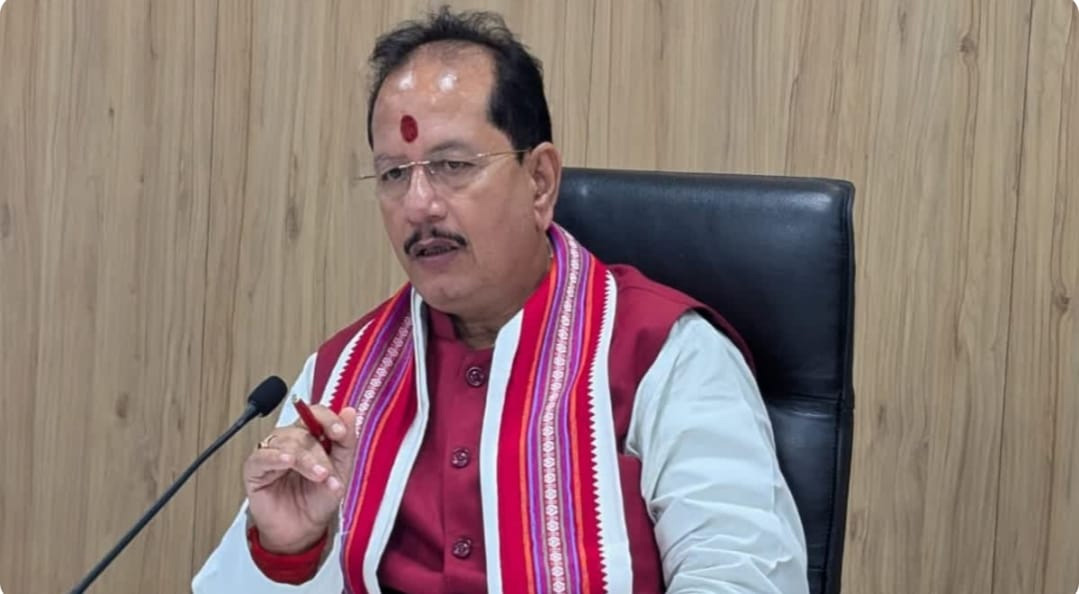
Bihar Deputy Chief Minister Vijay Sinha
By Neeraj Kumar
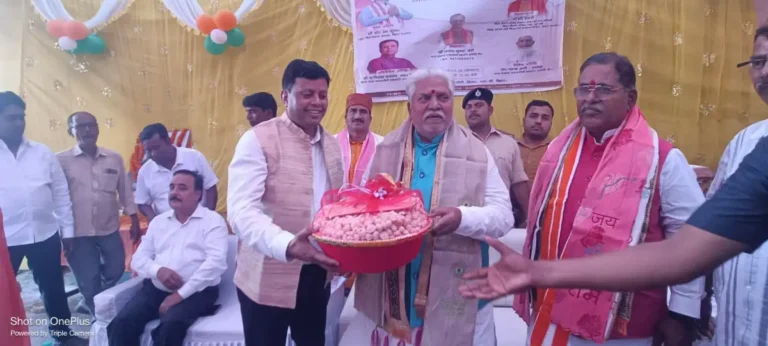
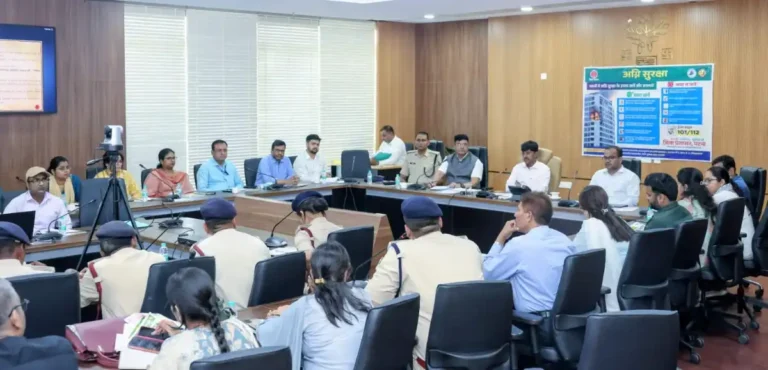
Patna: After the formation of the new National Democratic Alliance (NDA) government, Deputy Chief Minister Vijay Sinha assumed charge of the Revenue and Land Reforms Department and immediately directed the introduction of a ‘Jan Samvad’ (public interaction) model. He has already held such interactions in Patna and a few other districts. However, the model has now drawn collective opposition from revenue officers.
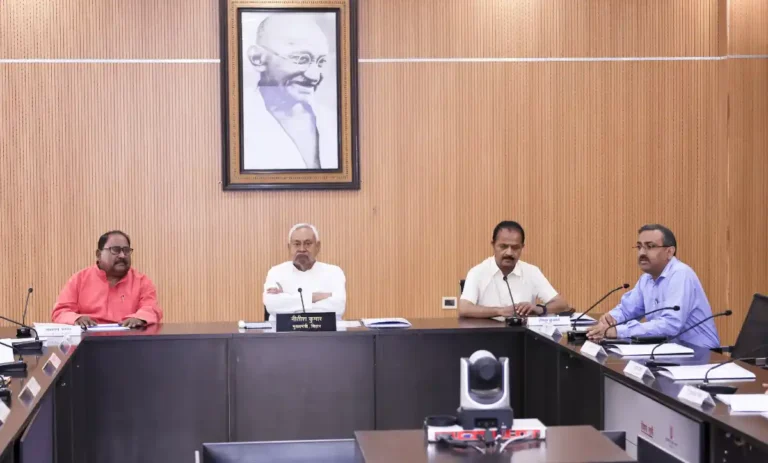
The Bihar Revenue Service Association (BIRSA) has written to Chief Minister Nitish Kumar, warning that continued public humiliation of officers would not only demoralise the cadre but also erode administrative effectiveness. Such a situation, the association said, could ultimately prove detrimental to the state government and democratic governance, and therefore needs to be checked immediately.
Responding to the criticism, the Deputy Chief Minister said he had neither abused nor insulted anyone. He maintained that issues were being resolved in public to ease people’s difficulties. “Some in the department do not want reforms. Action will be taken against any negligence. The reign of land mafias will not be tolerated. No one is above the people,” he said, adding that numerous land-related complaints had surfaced from the public and the initiative was aimed at addressing them. He asserted that he does not work under pressure and that no atmosphere of disorder would be allowed in the department at any cost.
In its letter to the Chief Minister, BIRSA alleged that statements made by Revenue and Land Reforms Minister Vijay Sinha in recent times—at public forums and through the media and social media—had seriously undermined the dignity of the revenue administration and deliberately subjected an entire service cadre to public ridicule. The association cited remarks such as “suspend them on the spot” and “seek explanations and take immediate action in front of the public” as being inconsistent with constitutional democracy, administrative prudence and the rule of law.
BIRSA further described the current ‘Jan Samvad’ exercise as resembling a “field trial”, “summary court martial” or “mob justice”, calling it a spectacle-driven style of governance rather than democratic administration. It also expressed concern that the minister appeared to overlook the fact that the NDA had been in power for much of the past two decades, while dismissing the contributions of previous ministers and departmental heads, creating the impression that no reforms had ever taken place earlier.
The revenue officers have placed five demands before the Chief Minister:
- An immediate halt to derogatory and punitive statements against revenue officials from public platforms.
- Departmental oversight to be conducted strictly through established legal and administrative procedures.
- A regular and accessible mechanism for dialogue at the level of the Principal Secretary and the departmental minister.
- If the ‘Jan Samvad’ model is to be implemented, it should apply uniformly across all departments and public representatives.
- Serious policy-level deliberations on the historical and structural problems of the Revenue Department.
About the Author