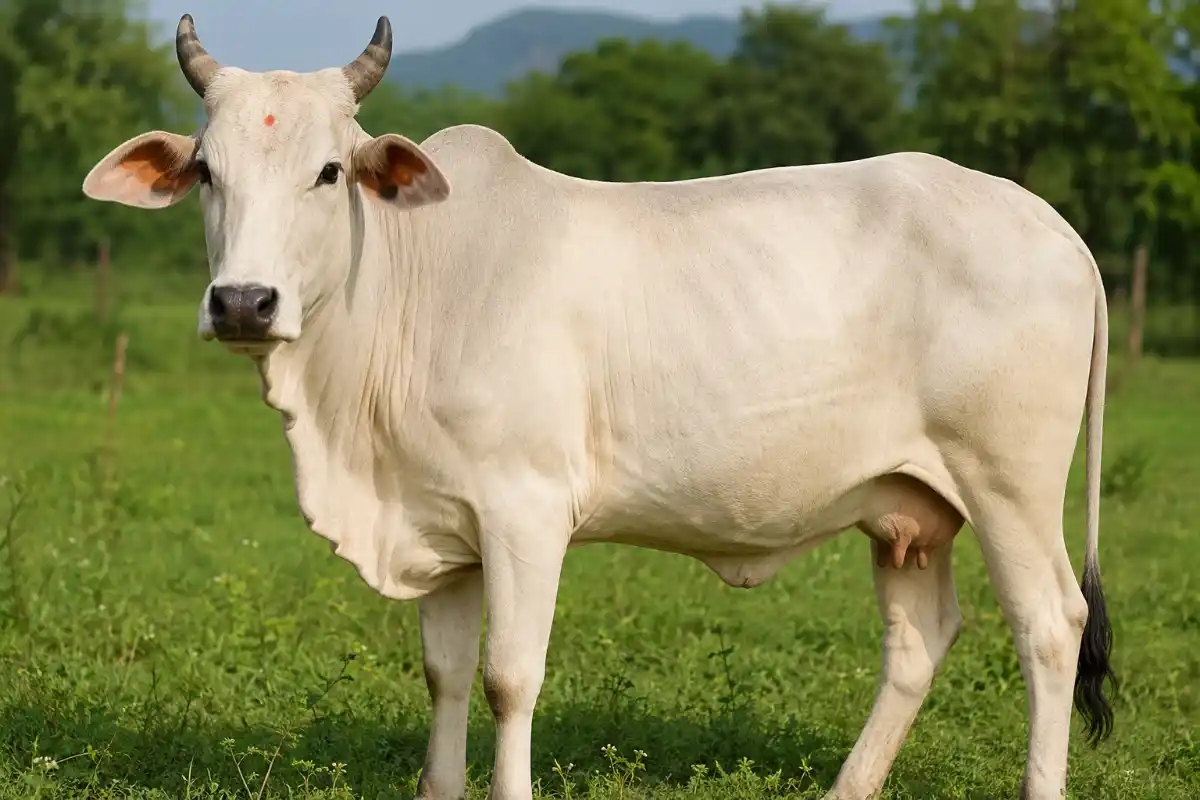
Patna: In Hindu tradition, the cow is revered as Gau Mata and holds a deeply respected place in religious and cultural life. Ancient scriptures describe the cow as a sacred being in whom various deities are believed to reside. As a result, cow dung and cow urine have long been regarded as pure and are commonly used in religious rituals and traditional practices. According to the Mahabharata, Goddess Lakshmi is believed to reside in cow dung and cow urine, making them symbols of prosperity and auspiciousness.
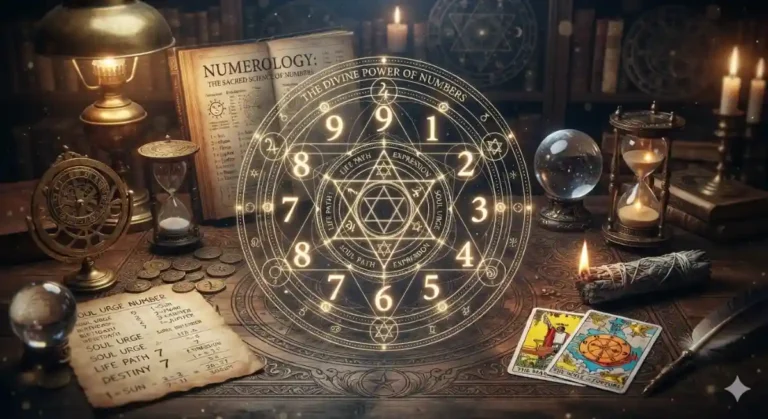
Apart from their ritual significance, traditional astrology (Jyotish Shastra) also mentions several remedies involving cow urine, which are believed by followers to help remove negative influences and improve spiritual well-being. These practices are based on religious beliefs and have no scientific validation.
One commonly followed belief is that sprinkling a mixture of Ganga water and a few drops of cow urine around the house every morning and evening helps eliminate negative energy and create a positive atmosphere. The same remedy is also recommended in traditional beliefs for reducing Vastu defects or the effects of the evil eye.
Astrological texts further suggest that individuals facing the adverse influence of Rahu in their birth chart may add a few drops of cow urine to their bath water daily. Devotees believe this practice may help lessen the planet’s unfavourable effects.
Another traditional remedy recommends sprinkling cow urine on a person or applying a small tilak of it on the forehead if they are believed to be affected by negative spiritual forces. Similarly, before moving into a newly built or purchased house, many families sprinkle cow urine throughout the premises as part of a purification ritual. This ceremony is believed to remove negative influences and invite peace, prosperity and positive energy into the home.
These practices continue to be observed by many Hindu families as expressions of faith and tradition, reflecting centuries-old cultural and religious beliefs passed down through generations.
Note: The practices described above are rooted in traditional Hindu beliefs and astrological customs. They are matters of faith and should not be considered scientifically established or a substitute for medical, psychological or professional advice.
About the Author