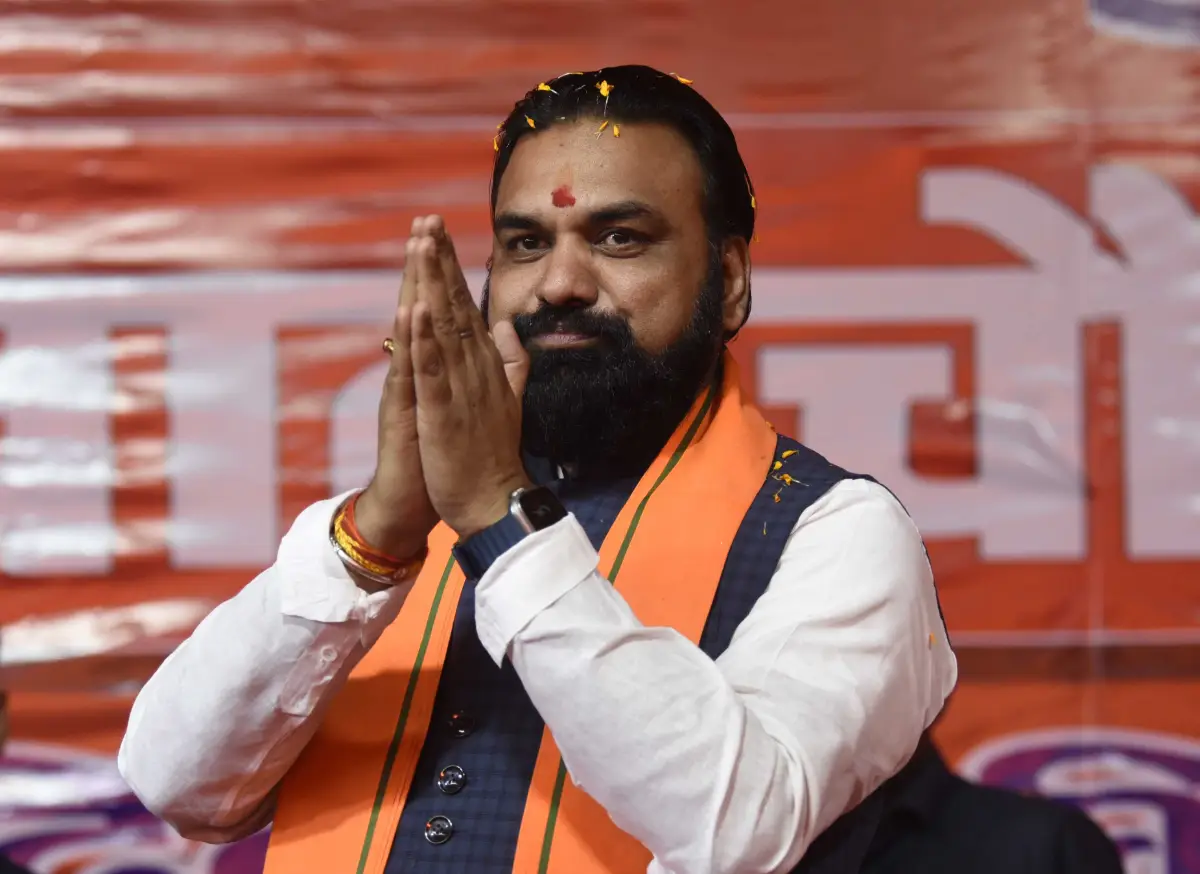
Bihar Chief Minister Samrat Choudhary. Photo: Aftab Alam Siddiqui
By Neeraj Kumar
Patna: After assuming power in Bihar, Chief Minister Samrat Choudhary is set to follow the footsteps of former Chief Minister Nitish Kumar by reintroducing direct public interaction through the ‘Janata Darbar’ programme. The initiative is expected to reduce the gap between the administration and citizens while curbing corruption and bureaucratic delays.
The ‘Janata Darbar’, once a hallmark of governance in Bihar, allowed ordinary citizens to present their grievances directly before the Chief Minister. Officials present at the venue would take immediate steps towards resolving the issues. Now, Choudhary is preparing to relaunch the model with a renewed approach.
The Chief Minister recently held a review meeting with senior officials regarding the programme. He also visited the Secretariat to inspect the venue where the Janata Darbar was previously organised, and held detailed discussions to ensure better arrangements and enhanced effectiveness.
The government believes that the initiative will spare citizens the need to run from office to office for redressal. Instead, they will have the opportunity to present their concerns directly before the Chief Minister, in the presence of senior officials from various departments, enabling prompt resolution of complaints.
Despite the introduction of several online grievance portals, a significant portion of Bihar’s rural population still prefers to communicate their concerns in person. The accessibility offered by the Janata Darbar reassures people that the government stands firmly with them.
During the review meeting,Choudhary emphasised the need for a robust monitoring system to ensure proper recording of complaints and their timely resolution. The people of Bihar now await the official announcement of the date when the Chief Minister’s public hearing will resume.
The initiative is not only administrative but also politically significant, as it is expected to strengthen the government’s direct connect with the public and send a positive message about its commitment to addressing citizens’ concerns.
However, the success of the programme will largely depend on effective management, including crowd control, proper documentation of grievances, and timely resolution. If implemented efficiently, it could mark a significant step towards good governance in the state.
About the Author